This research aims to explore the cognitive and socio-relational aspects related to neurodevelopmental disorders and genetic syndromes, such as Down syndrome.
The objective is to enhance the understanding of these conditions, particularly in the areas of spatial and relational vulnerabilities, which are often difficult to detect due to the lack of appropriate assessment tools.
In line with the philosophy of the “DARE – Digital Lifelong Prevention” initiative, we aim to devise digital technologies to build a bridge that promotes the well-being of children and adolescents and their families. Specifically, we are developing a new battery of digital tools that will ideally provide more precise insights, contributing to a more accurate identification of children and adolescents experiencing difficulties in these areas. At the same time, we are analysing the atypical developmental trajectories of visuospatial and socio-relational skills, with a particular focus on Down syndrome and specific neurodevelopmental disorders (Autism Spectrum Disorder, Developmental Coordination Disorder, and Developmental Visuospatial Disorder), in order to identify the key milestones and developmental pathways of these domains. This approach may foster early and targeted interventions, ultimately improving the quality of life for children and supporting the well-being of their families.

Preterm birth is a significant risk factor for adverse neurodevelopmental and psychosocial outcomes. While Kangaroo Mother Care (KMC), characterised by sustained skin-to-skin contact, has been associated with improved neonatal and caregiver adjustment outcomes, little is known about how inter-individual and contextual variability in KMC implementation influences these effects. This longitudinal pilot study addresses this gap by focusing on the neural mechanisms underlying early caregiver-infant synchrony using advanced neuroimaging and behavioural techniques. Specifically, we will use functional near-infrared spectroscopy (fNIRS) hyperscanning to measure interbrain synchrony (IBS) between preterm infants and one or two caregivers (KMC-1 vs. KMC-2) during sessions of a 21-day KMC protocol. This approach will allow real-time assessment of dyadic neural coupling and its evolution over time. In parallel, we will assess infants' sensitivity to social-communicative cues at 4-5 months corrected age using high-density electroencephalography (EEG) and eye-tracking technology. Event-related potentials (ERPs) and event-related oscillations (particularly in the gamma band) will be computed in response to ostensive signals - such as referential gaze and affective touch - presented in a controlled paradigm. Data integration with national healthcare repositories (e.g. Pedianet) is also planned to support scalable translational applications. This multimodal framework aims to define objective biomarkers for optimising early interventions in preterm populations.

The pilot addresses complex questions about the most frequently diagnosed neurodevelopmental disorders in children, i.e., Specific Learning Disabilities (SLD) and Attention/Hyperactivity Disorder (ADHD). These disorders significantly impact academic achievements, social relations, and family management with long-term implications on society and economics given their widespread occurrence and increasing incidence.
Various cognitive and environmental risk factors exist, but individual indicators lack sufficient discriminatory power. Investigating prerequisites and multidimensional risk indicators makes it possible to identify children with difficulties at an early stage; furthermore, the study of the long-term trend over time can highlight developmental trajectories.
The present pilot aims to identify a set of early individual characteristics that could represent early markers for a diagnosis of SLD and ADHD. In particular, the pilot involves 4 sub-studies, three prospective ones involving multiple methodologies (behavioral, cognitive, and neurophysiological) and information sources (recruitment of participants from clinical samples and the general population), and one retrospective, deployed in a large paediatric database, to address the research issue through a more comprehensive approach.

Childhood obesity is a growing public health concern, with increasing prevalence and significant long-term consequences, including reduced quality of life, serious physical and psychological effects, and rising healthcare costs. Despite its impact, the true burden of childhood obesity remains poorly understood, largely due to the absence of integrated, multidimensional analyses of its risk factors.
Given its multifactorial nature - encompassing biological, behavioural, social, and environmental determinants - childhood obesity serves as an ideal use case for testing integrated approaches to health data analysis. It offers a valuable opportunity to explore how diverse data sources can be combined to better understand and predict complex health outcomes.
This retrospective study leverages real-world data from the paediatric primary care database (PEDIANET) to fill critical knowledge gaps. It aims to estimate prevalence and trends in obesity incidence, assess the economic burden, identify multidimensional risk factors, and develop predictive models using machine learning techniques.
Core activities include integrating real-world paediatric primary care data with socioeconomic, environmental, and administrative datasets; mapping data sources; conducting risk and cost analyses; and applying advanced technologies to improve Real-World Data use. A key focus will be addressing challenges in accessing administrative data and building robust, predictive models. The ultimate goal is to generate evidence and tools to inform more effective and targeted strategies for the primary prevention of childhood obesity.

The lifespan of the world’s population is increasing, staying healthy in a rapidly changing and increasingly digitalised society is a current global challenge. Existing methods for detecting cognitive decline are most effective in situations where symptoms have already materialised (for example, a referral after subjective cognitive impairment), but they are not useful for the monitoring of asymptomatic individuals.
Our work will contribute to the overarching goal of WP 5 by:
Planned activities:
Pilot project's objectives
The pilot aims at identifying life trajectories between healthy and pathological ageing, detecting early markers of cognitive decline. The final goal is to identify reliable and easy-to-use indicators of cognitive decline easily used in primary healthcare settings; also, to promote good practices for older adults and their caregivers.

As technological advancements and work intensification reshape modern workplaces, they are increasingly recognised as emerging risks to workers' health and well-being. The European Agency for Safety and Health at Work reported that, in 2014-2015, the cost of mental disorders in Europe was 240 billion euros, with 43% as direct costs (e.g., medical care) and 57% as indirect costs (e.g., productivity loss, including sick leave). Hassard et al. (2018) estimate the cost of work-related stress in the EU for 2014 at €26.47 billion, with productivity-related losses contributing 70-90% of the total cost.
This pilot aims to prevent psychological issues generated or exacerbated by work, poor work-life balance, and unhealthy lifestyles, with a particular focus on technological changes. This is achieved through multiple data collections based on psychosocial, epidemiological, psychophysiological, and experimental methods: a three-wave longitudinal survey with a six-month time lag; a five-day wearable-based ambulatory assessment; and an experimental protocol simulating work tasks. These investigations will provide evidence-based materials and guidelines for primary prevention, especially for those organisational contexts with the highest risk for worker mental health.

Neurodegenerative disorders currently affect over 55 million people worldwide and are projected to become the second leading cause of death in Western countries by 2040. Despite this growing burden, existing MRI biomarkers lack molecular specificity and often fail to detect the early acceleration of brain ageing that precedes conditions like dementia and Parkinson’s disease.
This pilot study aims to bridge that gap by developing a normative model of molecular-enriched functional connectivity across the adult lifespan. Using approximately 5,000 open-access resting-state MRI scans from healthy individuals aged 18 to 90, the study will harmonise the data to establish a reference model for healthy brain ageing.
When applied to clinical populations, the model will enable the detection of individual deviations from typical ageing patterns, supporting early risk stratification, disease monitoring, and assessment of treatment effects. Early findings suggest that molecular-enriched connectivity metrics explain over 50% of the variance in chronological age, highlighting their promise as biomarkers of brain ageing.
Overall, the project offers a biologically grounded framework for understanding brain ageing and lays the groundwork for more targeted prevention and improved management of neurodegenerative diseases.

Cancer is one of the leading causes of death worldwide.
Although numerous studies have characterised genomic alterations across various cancer subtypes, there remains a pressing need for robust tools capable of identifying genomic alterations that reliably predict clinical phenotypes and patient survival.
This pilot project focuses on the development of computational methods to identify such alterations and aims to provide network-based artificial intelligence tools for predicting survival outcomes and relevant clinical phenotypes.
The developed tool will enhance the ability to predict clinically relevant phenotypes in cancer patients using DNA biomarkers, by integrating multiple data sources, including clinical phenotype information.
Furthermore, the pilot will identify a robust subset of genomic alterations that can be used to predict relevant clinical phenotypes with greater accuracy.
Solid organ transplantation remains a cornerstone treatment for end-stage organ failure. Indeed, liver (LT) and kidney transplantation (KT) provided a benefit in survival for selected patients. Prediction of post-transplant outcomes, including patient and graft function, remains a clinical challenge because of the suboptimal predictive accuracy of current prognostic scores.
This single-centre retrospective study aims to assess whether artificial intelligence (AI) can enhance donor-recipient matching and improve post-transplant outcome prediction in LT and KT. Digitised donor histology—analysed using machine learning (ML) models developed by the University of Oxford—will be combined with clinical, biochemical and surgical donor and recipient data to train and validate AI-based predictive tools.
The study will include 240 transplant recipients (120 LT and 120 KT), transplanted at Padua University Hospital from 2017 to 2021, all with available donor histology. ML models - U-Net-based segmentations and graph convolutional networks - will be employed to extract morphometric and topological tissue features, enabling a more nuanced prediction of outcomes such as graft survival, rejection, delayed graft function.
Comparisons will be made between AI-based predictions and traditional scoring systems. This study aims to establish a technological framework for integrating AI into transplant medicine.

The pilot project aims to develop and validate a predictive model based on artificial intelligence for the forecasting of adverse renal outcomes in patients with type 2 diabetes, using clinical and demographic data routinely collected during outpatient visits. The objective is to enable early identification of individuals at risk of renal function deterioration, based on the estimated glomerular filtration rate (eGFR), with a prediction horizon ranging from 6 months to 4 years, in order to support timely therapeutic decisions. The model, already developed and tested on a national cohort of approximately 50,000 patients, has shown high predictive performance (AUROC up to 0.98). The design of a prototype for integration into the clinical systems of the University Hospital of Padua is currently underway, along with the evaluation of its usability by healthcare professionals. The pilot project will conclude with the definition of the protocol for a future randomised clinical trial assessing the impact of the tool on renal outcomes. The project aims to contribute to personalised care, improve patients’ quality of life, and reduce the burden of renal complications on the healthcare system.

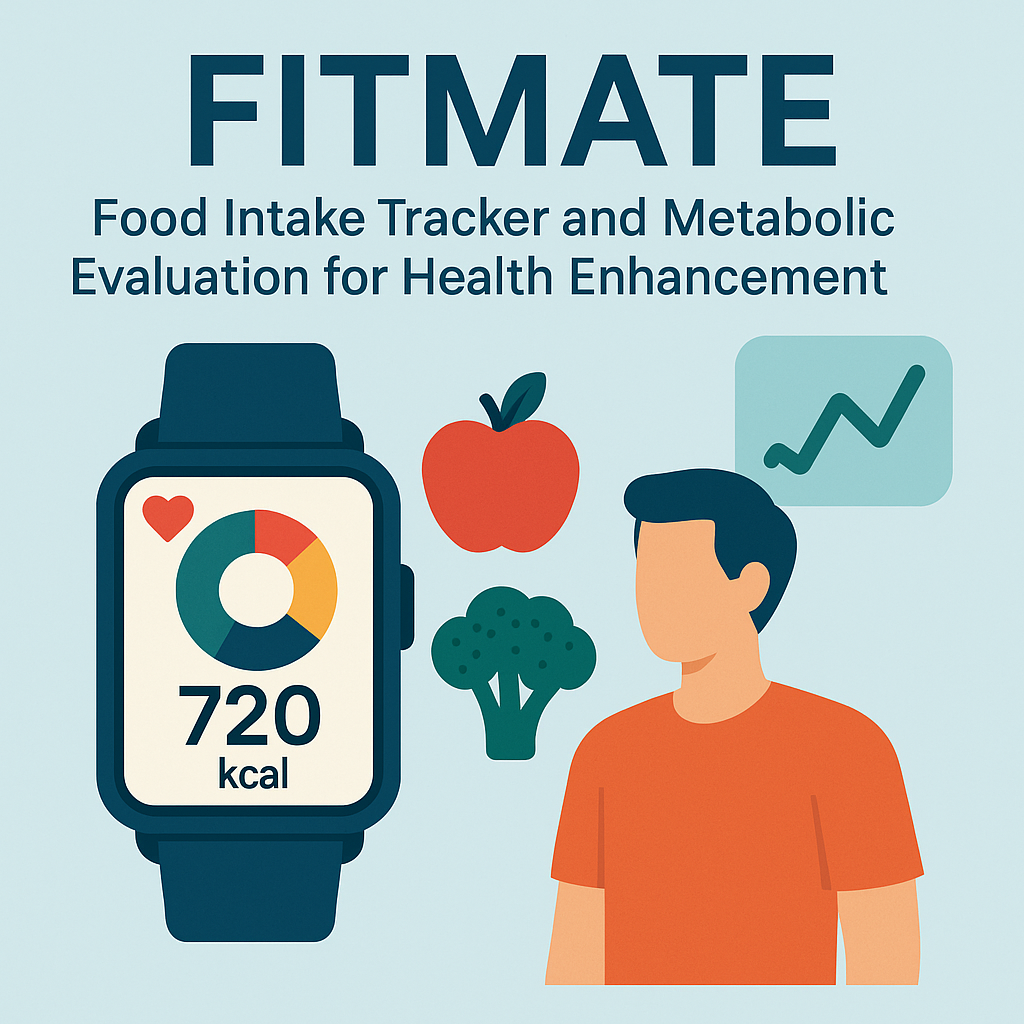
FITMATE is an innovative project for the automated estimation of caloric intake and classification of ingested foods using commercial wearable devices (e.g., smartwatches) and machine learning algorithms.
The system enables continuous, non-invasive monitoring of daily dietary habits, reducing the errors of conventional methods (e.g., food questionnaires) by up to 10%.
In its initial phase, the pilot involves patients with conditions requiring specific dietary regimens (phenylketonuria, diabetes, polycystic kidney disease), and will later be extended to the general population.
The goal is to provide an objective, accessible, and low-cost tool to support secondary and tertiary prevention, improving both individual and public health management.
FITMATE is developed within SPOKE 3 – WP5 of the DARE Foundation and is coordinated by theUniversity of Padua.
Central nervous system (CNS) malignancies account for a quarter of all cancers in children aged 1 to 19 years and, although relatively uncommon, are associated with high mortality, long-term disability, and a substantial economic impact on healthcare systems. For more than half of affected children, effective treatment with multimodal therapy delivered by specialized, multidisciplinary teams is possible, and early detection is essential to allow the best possible treatment and long-term outcomes. However, the initial symptoms of these malignancies are often non-specific, especially in the early stages, and affected children are frequently misdiagnosed with more common pediatric conditions such as migraine, gastroenteritis, or psychological or behavioral problems, leading to delayed diagnosis.
This pilot project aims to facilitate the early diagnosis of pediatric CNS malignancies by identifying clinical predictors from integrated real-world health data. Starting with the pediatric emergency department electronic health records of children presenting with potentially associated symptoms, the project uses advanced text-mining tools to extract relevant clinical information from unstructured free-text data fields. These data are then analyzed using machine learning techniques to identify clinical predictors of CNS malignancies, thereby supporting earlier and more accurate diagnosis.

This research aims to explore the cognitive and socio-relational aspects related to neurodevelopmental disorders and genetic syndromes, such as Down syndrome.
The objective is to enhance the understanding of these conditions, particularly in the areas of spatial and relational vulnerabilities, which are often difficult to detect due to the lack of appropriate assessment tools.
In line with the philosophy of the “DARE – Digital Lifelong Prevention” initiative, we aim to devise digital technologies to build a bridge that promotes the well-being of children and adolescents and their families. Specifically, we are developing a new battery of digital tools that will ideally provide more precise insights, contributing to a more accurate identification of children and adolescents experiencing difficulties in these areas. At the same time, we are analysing the atypical developmental trajectories of visuospatial and socio-relational skills, with a particular focus on Down syndrome and specific neurodevelopmental disorders (Autism Spectrum Disorder, Developmental Coordination Disorder, and Developmental Visuospatial Disorder), in order to identify the key milestones and developmental pathways of these domains. This approach may foster early and targeted interventions, ultimately improving the quality of life for children and supporting the well-being of their families.
Preterm birth is a significant risk factor for adverse neurodevelopmental and psychosocial outcomes. While Kangaroo Mother Care (KMC), characterised by sustained skin-to-skin contact, has been associated with improved neonatal and caregiver adjustment outcomes, little is known about how inter-individual and contextual variability in KMC implementation influences these effects. This longitudinal pilot study addresses this gap by focusing on the neural mechanisms underlying early caregiver-infant synchrony using advanced neuroimaging and behavioural techniques. Specifically, we will use functional near-infrared spectroscopy (fNIRS) hyperscanning to measure interbrain synchrony (IBS) between preterm infants and one or two caregivers (KMC-1 vs. KMC-2) during sessions of a 21-day KMC protocol. This approach will allow real-time assessment of dyadic neural coupling and its evolution over time. In parallel, we will assess infants' sensitivity to social-communicative cues at 4-5 months corrected age using high-density electroencephalography (EEG) and eye-tracking technology. Event-related potentials (ERPs) and event-related oscillations (particularly in the gamma band) will be computed in response to ostensive signals - such as referential gaze and affective touch - presented in a controlled paradigm. Data integration with national healthcare repositories (e.g. Pedianet) is also planned to support scalable translational applications. This multimodal framework aims to define objective biomarkers for optimising early interventions in preterm populations.
The pilot addresses complex questions about the most frequently diagnosed neurodevelopmental disorders in children, i.e., Specific Learning Disabilities (SLD) and Attention/Hyperactivity Disorder (ADHD). These disorders significantly impact academic achievements, social relations, and family management with long-term implications on society and economics given their widespread occurrence and increasing incidence.
Various cognitive and environmental risk factors exist, but individual indicators lack sufficient discriminatory power. Investigating prerequisites and multidimensional risk indicators makes it possible to identify children with difficulties at an early stage; furthermore, the study of the long-term trend over time can highlight developmental trajectories.
The present pilot aims to identify a set of early individual characteristics that could represent early markers for a diagnosis of SLD and ADHD. In particular, the pilot involves 4 sub-studies, three prospective ones involving multiple methodologies (behavioral, cognitive, and neurophysiological) and information sources (recruitment of participants from clinical samples and the general population), and one retrospective, deployed in a large paediatric database, to address the research issue through a more comprehensive approach.
Childhood obesity is a growing public health concern, with increasing prevalence and significant long-term consequences, including reduced quality of life, serious physical and psychological effects, and rising healthcare costs. Despite its impact, the true burden of childhood obesity remains poorly understood, largely due to the absence of integrated, multidimensional analyses of its risk factors.
Given its multifactorial nature - encompassing biological, behavioural, social, and environmental determinants - childhood obesity serves as an ideal use case for testing integrated approaches to health data analysis. It offers a valuable opportunity to explore how diverse data sources can be combined to better understand and predict complex health outcomes.
This retrospective study leverages real-world data from the paediatric primary care database (PEDIANET) to fill critical knowledge gaps. It aims to estimate prevalence and trends in obesity incidence, assess the economic burden, identify multidimensional risk factors, and develop predictive models using machine learning techniques.
Core activities include integrating real-world paediatric primary care data with socioeconomic, environmental, and administrative datasets; mapping data sources; conducting risk and cost analyses; and applying advanced technologies to improve Real-World Data use. A key focus will be addressing challenges in accessing administrative data and building robust, predictive models. The ultimate goal is to generate evidence and tools to inform more effective and targeted strategies for the primary prevention of childhood obesity.
The lifespan of the world’s population is increasing, staying healthy in a rapidly changing and increasingly digitalised society is a current global challenge. Existing methods for detecting cognitive decline are most effective in situations where symptoms have already materialised (for example, a referral after subjective cognitive impairment), but they are not useful for the monitoring of asymptomatic individuals.
Our work will contribute to the overarching goal of WP 5 by:
Planned activities:
Pilot project's objectives
The pilot aims at identifying life trajectories between healthy and pathological ageing, detecting early markers of cognitive decline. The final goal is to identify reliable and easy-to-use indicators of cognitive decline easily used in primary healthcare settings; also, to promote good practices for older adults and their caregivers.
As technological advancements and work intensification reshape modern workplaces, they are increasingly recognised as emerging risks to workers' health and well-being. The European Agency for Safety and Health at Work reported that, in 2014-2015, the cost of mental disorders in Europe was 240 billion euros, with 43% as direct costs (e.g., medical care) and 57% as indirect costs (e.g., productivity loss, including sick leave). Hassard et al. (2018) estimate the cost of work-related stress in the EU for 2014 at €26.47 billion, with productivity-related losses contributing 70-90% of the total cost.
This pilot aims to prevent psychological issues generated or exacerbated by work, poor work-life balance, and unhealthy lifestyles, with a particular focus on technological changes. This is achieved through multiple data collections based on psychosocial, epidemiological, psychophysiological, and experimental methods: a three-wave longitudinal survey with a six-month time lag; a five-day wearable-based ambulatory assessment; and an experimental protocol simulating work tasks. These investigations will provide evidence-based materials and guidelines for primary prevention, especially for those organisational contexts with the highest risk for worker mental health.
Neurodegenerative disorders currently affect over 55 million people worldwide and are projected to become the second leading cause of death in Western countries by 2040. Despite this growing burden, existing MRI biomarkers lack molecular specificity and often fail to detect the early acceleration of brain ageing that precedes conditions like dementia and Parkinson’s disease.
This pilot study aims to bridge that gap by developing a normative model of molecular-enriched functional connectivity across the adult lifespan. Using approximately 5,000 open-access resting-state MRI scans from healthy individuals aged 18 to 90, the study will harmonise the data to establish a reference model for healthy brain ageing.
When applied to clinical populations, the model will enable the detection of individual deviations from typical ageing patterns, supporting early risk stratification, disease monitoring, and assessment of treatment effects. Early findings suggest that molecular-enriched connectivity metrics explain over 50% of the variance in chronological age, highlighting their promise as biomarkers of brain ageing.
Overall, the project offers a biologically grounded framework for understanding brain ageing and lays the groundwork for more targeted prevention and improved management of neurodegenerative diseases.
Cancer is one of the leading causes of death worldwide.
Although numerous studies have characterised genomic alterations across various cancer subtypes, there remains a pressing need for robust tools capable of identifying genomic alterations that reliably predict clinical phenotypes and patient survival.
This pilot project focuses on the development of computational methods to identify such alterations and aims to provide network-based artificial intelligence tools for predicting survival outcomes and relevant clinical phenotypes.
The developed tool will enhance the ability to predict clinically relevant phenotypes in cancer patients using DNA biomarkers, by integrating multiple data sources, including clinical phenotype information.
Furthermore, the pilot will identify a robust subset of genomic alterations that can be used to predict relevant clinical phenotypes with greater accuracy.
Solid organ transplantation remains a cornerstone treatment for end-stage organ failure. Indeed, liver (LT) and kidney transplantation (KT) provided a benefit in survival for selected patients. Prediction of post-transplant outcomes, including patient and graft function, remains a clinical challenge because of the suboptimal predictive accuracy of current prognostic scores.
This single-centre retrospective study aims to assess whether artificial intelligence (AI) can enhance donor-recipient matching and improve post-transplant outcome prediction in LT and KT. Digitised donor histology—analysed using machine learning (ML) models developed by the University of Oxford—will be combined with clinical, biochemical and surgical donor and recipient data to train and validate AI-based predictive tools.
The study will include 240 transplant recipients (120 LT and 120 KT), transplanted at Padua University Hospital from 2017 to 2021, all with available donor histology. ML models - U-Net-based segmentations and graph convolutional networks - will be employed to extract morphometric and topological tissue features, enabling a more nuanced prediction of outcomes such as graft survival, rejection, delayed graft function.
Comparisons will be made between AI-based predictions and traditional scoring systems. This study aims to establish a technological framework for integrating AI into transplant medicine.
The pilot project aims to develop and validate a predictive model based on artificial intelligence for the forecasting of adverse renal outcomes in patients with type 2 diabetes, using clinical and demographic data routinely collected during outpatient visits. The objective is to enable early identification of individuals at risk of renal function deterioration, based on the estimated glomerular filtration rate (eGFR), with a prediction horizon ranging from 6 months to 4 years, in order to support timely therapeutic decisions. The model, already developed and tested on a national cohort of approximately 50,000 patients, has shown high predictive performance (AUROC up to 0.98). The design of a prototype for integration into the clinical systems of the University Hospital of Padua is currently underway, along with the evaluation of its usability by healthcare professionals. The pilot project will conclude with the definition of the protocol for a future randomised clinical trial assessing the impact of the tool on renal outcomes. The project aims to contribute to personalised care, improve patients’ quality of life, and reduce the burden of renal complications on the healthcare system.
FITMATE is an innovative project for the automated estimation of caloric intake and classification of ingested foods using commercial wearable devices (e.g., smartwatches) and machine learning algorithms.
The system enables continuous, non-invasive monitoring of daily dietary habits, reducing the errors of conventional methods (e.g., food questionnaires) by up to 10%.
In its initial phase, the pilot involves patients with conditions requiring specific dietary regimens (phenylketonuria, diabetes, polycystic kidney disease), and will later be extended to the general population.
The goal is to provide an objective, accessible, and low-cost tool to support secondary and tertiary prevention, improving both individual and public health management.
FITMATE is developed within SPOKE 3 – WP5 of the DARE Foundation and is coordinated by theUniversity of Padua.